Why Sustainability Has Become a Business Imperative for Supply Chains
In an opinion piece, an academic argues that supply chain sustainability is now tied to resilience, customer expectations and regulation, not just environmental goodwill.
Also in 中文
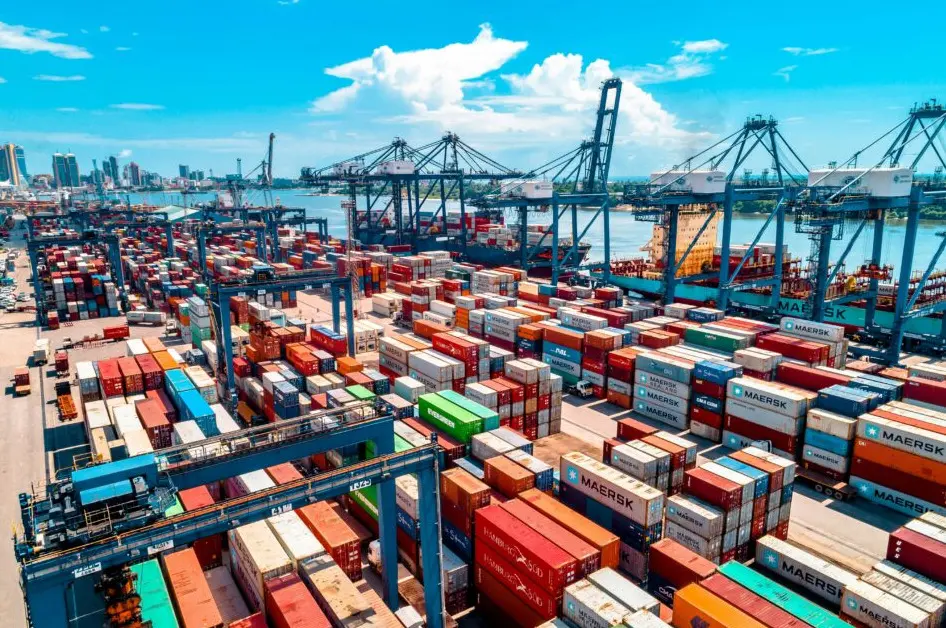
Almost every product, from a phone to a cup of coffee, has passed through a global supply chain, and that chain is under growing pressure. In an opinion piece for Focus Malaysia, an academic from UCSI University and Universiti Malaya argues that most companies talk about sustainable supply chains but do little to act on those commitments. That gap, the author says, is becoming a serious business risk.
The article cites an MIT survey in which 83 per cent of companies said sustainability was important to long-term success. But 68 per cent said tariff uncertainty had forced them to delay, scale back or compromise their sustainability plans. FedEx research, also cited, found that 81 per cent of Asia-Pacific consumers prefer companies that appear more sustainable than their rivals, and nearly four in 10 are willing to pay more for sustainable packaging.
The author argues that resilience and sustainability should be treated as one agenda rather than separate budgets. A business that depends on one factory or one fuel source is exposed to geopolitical shocks, fuel price swings and changing carbon rules. Diversifying suppliers, spreading production across regions and shortening transport routes can reduce both risk and emissions. The MIT findings also suggest that companies with cross-functional sustainability teams are far more likely to use sustainability in daily decisions, at 57 per cent compared with 13 per cent where responsibility sits in one function.
On practical steps, the author says firms should start by measuring their emissions, including those from suppliers, and should improve existing diesel fleets through better routing, load consolidation and data before replacing vehicles. Digital tools and AI can help too. The author's view is that credible, measurable progress will matter more to regulators, customers and investors than bold pledges.
- Source
- Focus Malaysia